As I read this passage in Jeremiah, my heart is saddened. This entire chapter is the culmination of God’s judgment on Jerusalem, because His people have gotten so far away from Him that He’s sending them into exile for 70 years. I see glimpses of myself and of our 21st century church in these words and it makes me tremble. I am always thankful that God has given us these examples, through which He so often brings conviction for sin in my own life.
On each of these points, I know that there is evidence of similar sin in my life. Phrases like “greedy for gain” and “practice deceit” cause me to want to do a thorough self-examination to make sure that every trace of this is gone from my life. What hope is there for the church if our pastors and leaders are greedy or grasping or perpetuating lies? The specific deception He speaks of here is outlined in v14, “They dress the wound of my people as though it were not serious. ‘Peace, peace’ they say, when there is no peace.” I know exactly what that looks like. Acceptance of on-going sinful habits and lifestyles seems all too common in our churches today. The Old Testament prophets promising peace sounds too much like those popular preachers who always make it sound like everything’s going to be rosy and wonderful in the Christian life. “Are they ashamed of their loathsome conduct?” God asks (v15) “No, they have no shame at all; they do not even know how to blush”. Again, I wince at these words. I grew up in a very strict Christian home, and there were lots of things that made me blush in my growing-up years that are totally accepted amongst Christians today. I am not pointing fingers at anyone or any particular activity; I know that I have an overly-sensitive conscience that comes from legalistic conditioning. However, I have to wonder sometimes – are there things that should make us blush from God’s point of view? If it happened to them (in Jeremiah’s time) could it happen to us? I am so thankful for God’s grace that sees us pure and faultless in Jesus Christ. But that makes me want to get rid of any hint of impurity all the more.
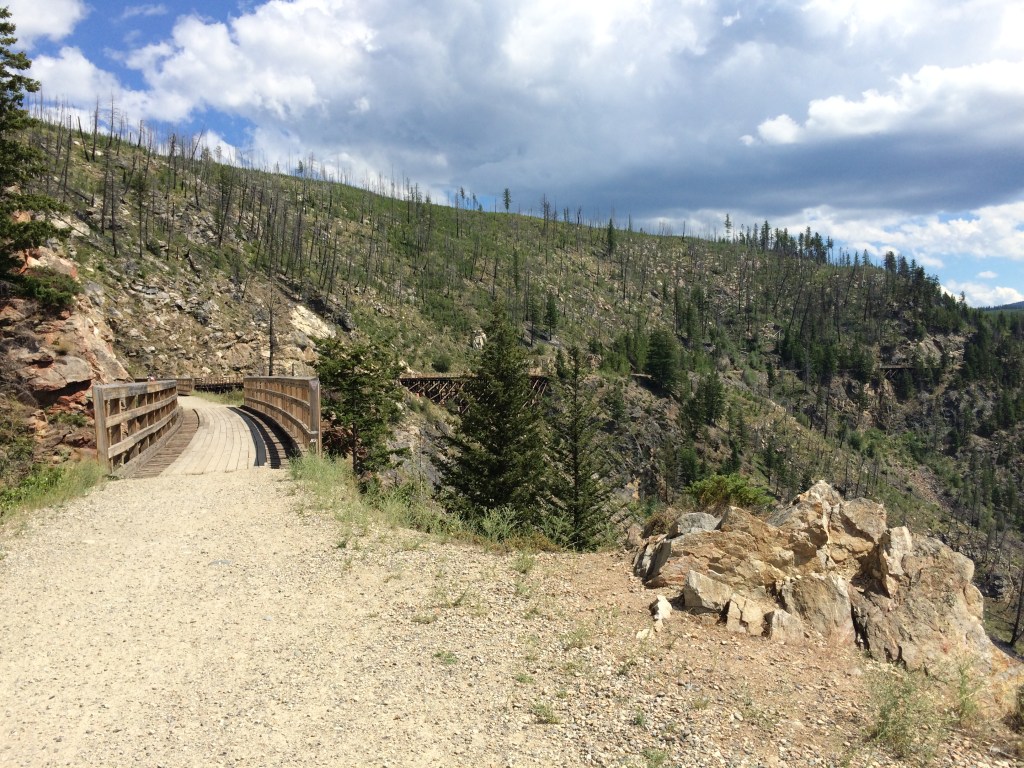
 The next part of the passage is God’s instruction on how to find our way back to Him when we’ve strayed so far. “Stand at the crossroads and look; ask for the ancient paths, ask where the good way is, and walk in it, and you will find rest for your souls.” (v16) The first instruction there is to STAND. We can’t stand when we’re moving, so it is implied here that we stop first. For us I would say: STOP what you’re doing. Take assessment of your life. STAND still and look around you – what do you see? Undoubtedly you’re at a crossroads of some kind. A fork in the road, if you will. LOOK, God says. Take a good long look at your life and your situation. Have you strayed far from God? Is there sin that needs to be confessed? Are you running ahead of God on the path of your life? ‘Looking’ implies that you will become aware of your surroundings, and notice things about your life.
The next thing this verse says is to ASK for the ancient paths. You have to ask, “God, where do you want me to go in this?” Don’t just assume the path you’re on is the correct one, God wants us to ask Him. Matt. 7:7 says, “Ask and it will be given you; seek and you shall find; knock and the door will be opened to you.” There’s a progression here: asking will lead you to seek. Seeking implies a more significant search, with a greater desire to find. Knocking is even more of an intense seeking. Now you’re close; you have almost found what you’re looking for but a door is closed and you can’t open it. You knock and wait for God to answer. I think this is the kind of ask God is expecting in our passage. Not just a cursory ask, but an intense seeking and longing for the right path. Note He says to ask for the ancient paths – not something new and trendy but the faithful ways of God that are tested and true. It may imply that you need to go back to do something that you used to do but have stopped; similar to the church of Ephesus who had forsaken their ‘first love’ (Rev 2:4) . Take a few moments to consider this and ask God what He may want to show you.
God continues His instruction with a second ‘Ask’: “Ask where the good way is, and walk in it”. Now He talks about getting mobile again, only after we have asked and been shown the ‘good way’. I believe when we ask and honestly desire to have Him show us the good way, He will. But it’s our responsibility then to walk in it. This comes with a promise, “and you will fin d rest for your souls”. Notice God does not promise wealth or prosperity. He does not promise problem-free living. He promises soul-rest. Maybe that’s all we really need.
God offered this to His people in Jeremiah’s time, but we know from the end of v16 that they refused to walk in it. I wonder if that means they actually did know the good way and the ancient paths? It doesn’t say they didn’t listen or pay attention; it says they answered “we will not walk in it”. How sad. I’m glad this is recorded for us so that we can learn from it. I want to find God’s way and walk in it, never looking back. I pray the same for you!
 Christian Contemplative Journey
Leave a comment